Idoma Culture & Tradition
The Idoma people are a vibrant ethnic group of central Nigeria, known for their rich traditions, deep spiritual heritage, and iconic red-and-black attire. This page explores their history, beliefs, language, and festivals.
Idoma
The Idoma people trace their historical roots to the ancient Kwararafa kingdom. Between 1535 and 1625 AD, they gradually settled in what is now Benue State, Nigeria, following periods of internal conflict within the kingdom. The Idoma people developed a distinct identity with a non-centralized pre-colonial system and a rich cultural heritage.
The Idoma language has eight major dialects, reflecting the diversity within the community.
Idoma Mythology
Alekwu, the ancestral spirit, plays a central role in Idoma traditional beliefs. Alekwu serves as a spiritual link between the living and the ancestors, guiding moral conduct and community harmony. The belief system also recognizes reincarnation as part of the spiritual cycle of life.
Progenitor: Father of Idoma
According to oral traditions, the progenitor of the Idoma people is Iduh. His descendants established many of the major Idoma towns, including:
Agabi – Otukpo
Idum – Adoka
Olinaogwu – Ugboju
Eje – Oglewu
Edeh – Edumoga
Ananawoogeno – Igumale
Ebeibi – Umogidi
Odeh – Yala
These settlements remain central to Idoma identity and heritage.
People and Language
The Idoma people are estimated to number over 3.5 million. The Idoma language belongs to the Idomoid group within the Volta-Niger language family.
Major dialects include Agatu, Otukpo, Otukpa, Orokam, Akpa, Agila, Utonkon, Igede, Etilo, and Iyala.
Location
Idoma communities are found primarily in Benue State, with additional populations in Taraba, Cross River, Enugu, Kogi, and Nasarawa States.
Culture and Attire
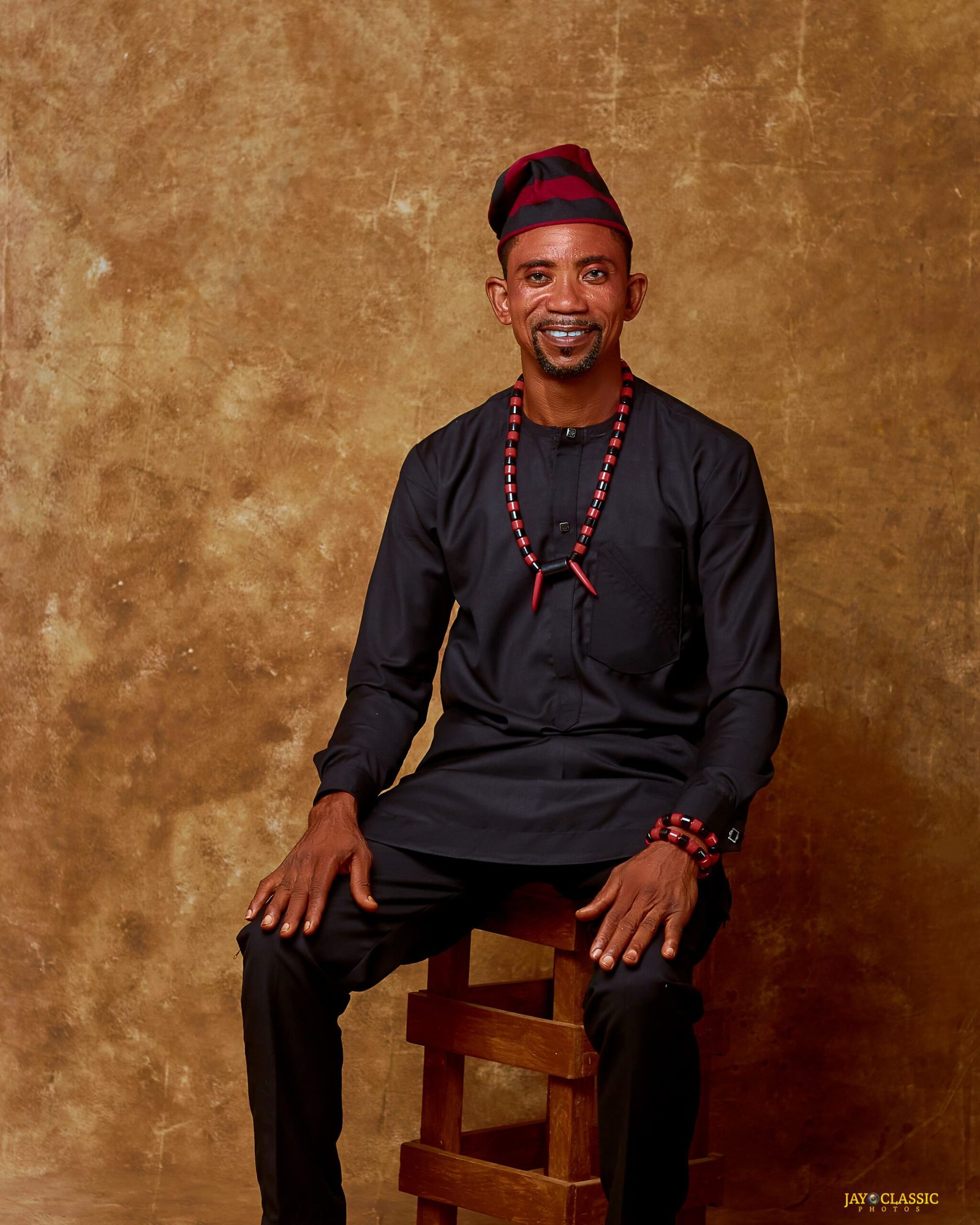
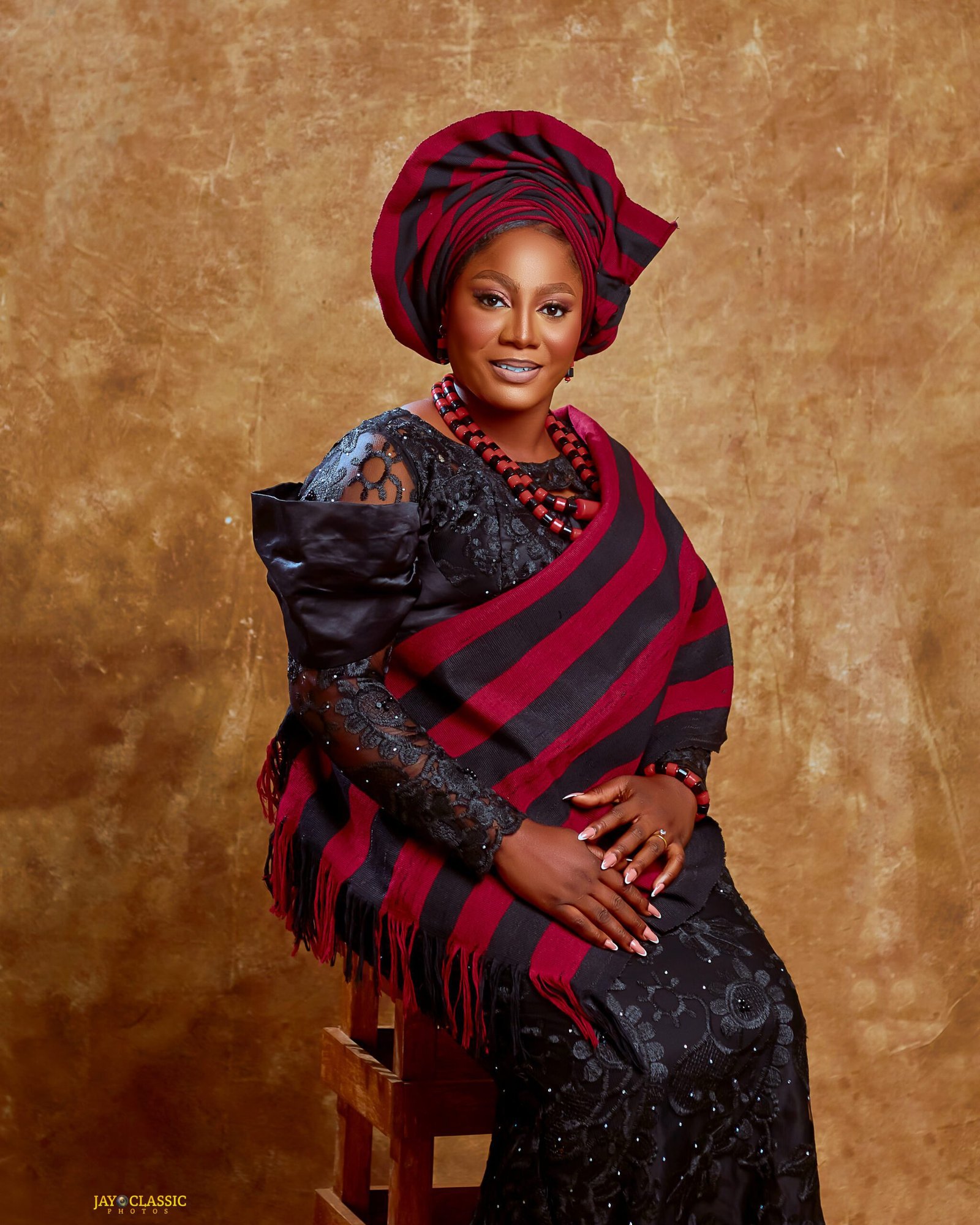
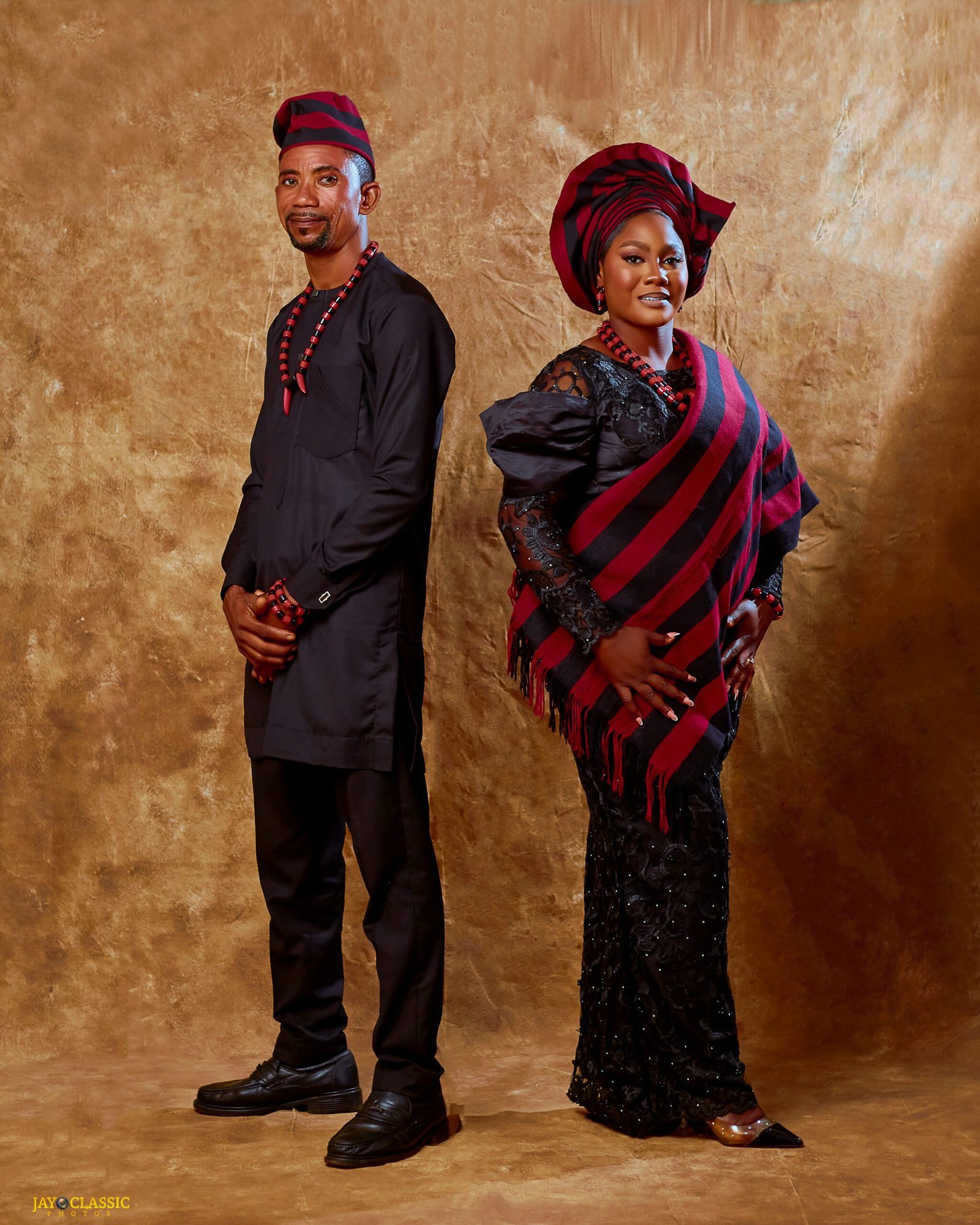
The Idoma people are known for their rich cultural expressions, vibrant festivals, and their iconic red and black traditional attire, symbolizing strength, unity, and royalty.
Festivals
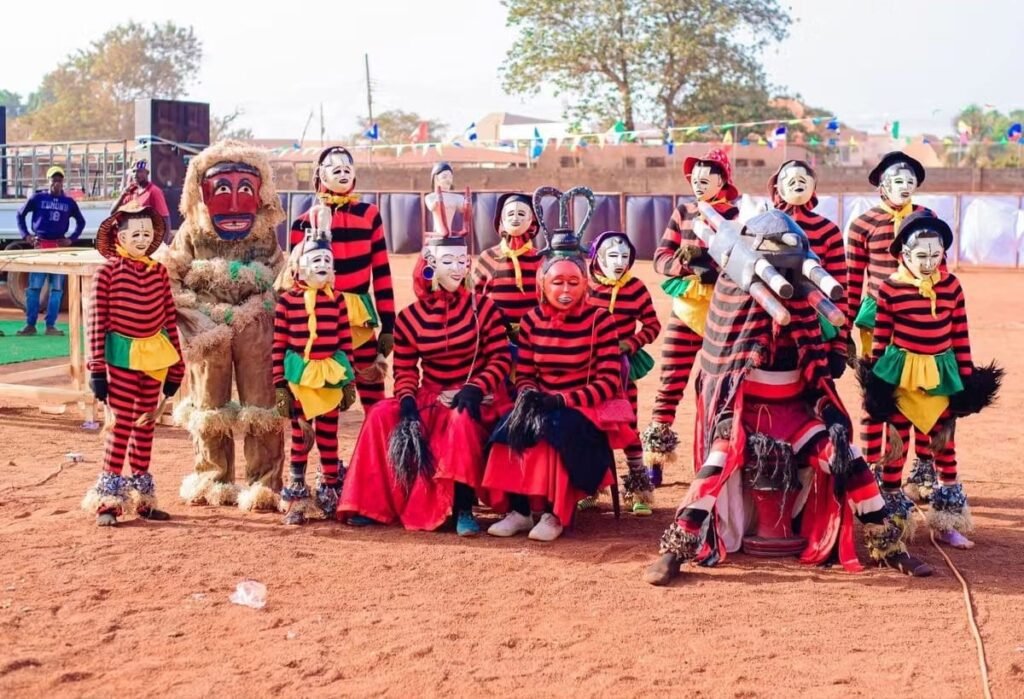
Traditional festivals such as the Alekwu Festival and Odumu Dance (Lion Dance) are central to Idoma culture. These events bring communities together through rituals, music, dance, storytelling, and communal celebrations that preserve cultural values across generations.